From a childhood dream to my first AI-built game: the origin of Contos do Escuro
How a book about a castle hidden inside a wardrobe became a game built with Claude Opus, Godot and other AI tools, after years of running into what it costs to make a game on your own.
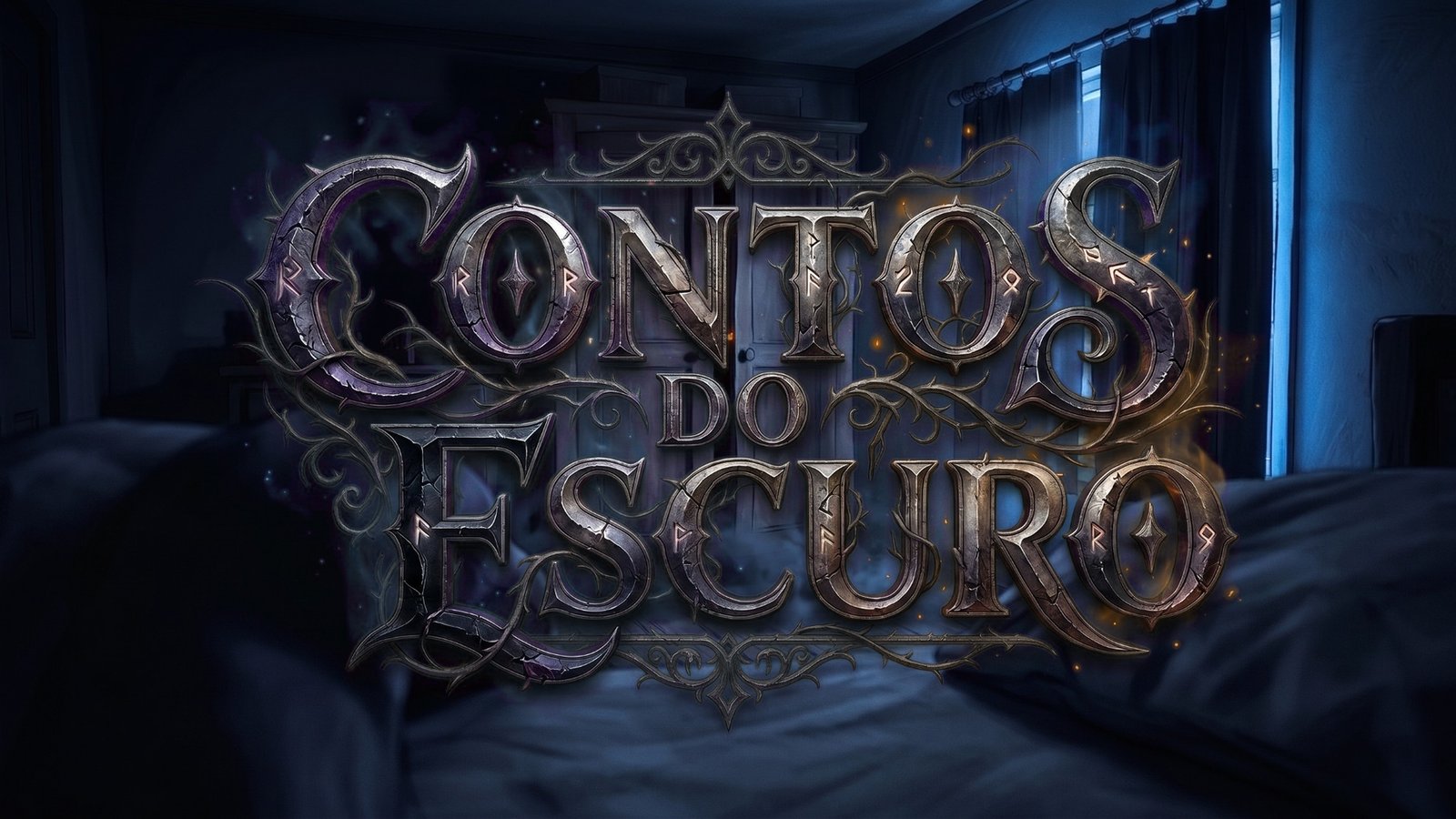
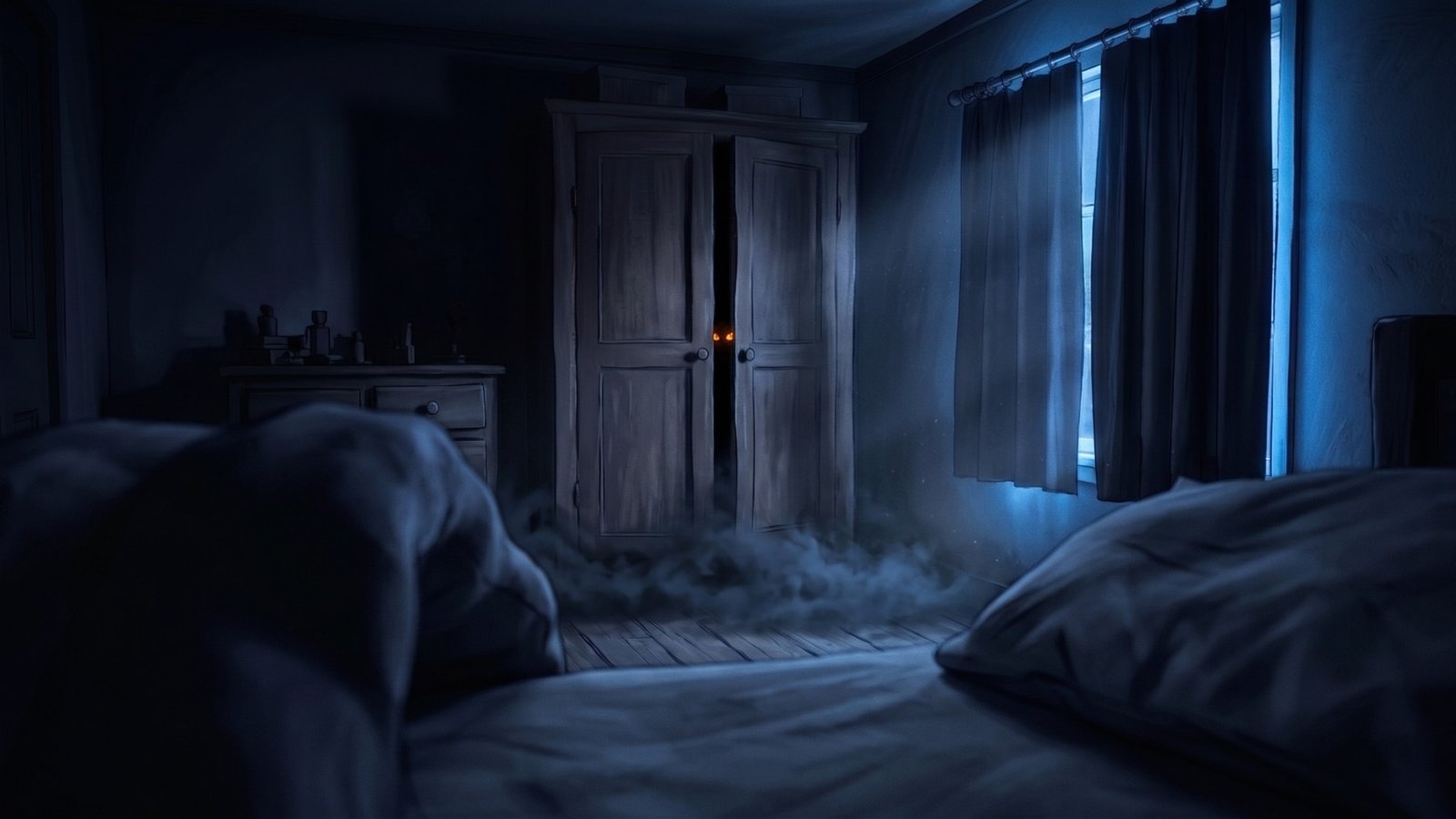
A while ago, in a conversation, I said that sometimes I felt there was something inside me. Like a monster in the wardrobe: that child hiding in the bedroom, afraid of something he can't even name.
The answer I got was: "then let's open it together."
That conversation gave birth to Contos do Escuro ("Tales from the Dark"), a book that is now becoming a game. But for this story to make sense, I need to go back a bit, all the way to my childhood.
An imagination that never switched off#
Ever since I was a kid, I've been excited about games and anything playful. My imagination was always very fertile that way. When someone used a figure of speech, I understood what they meant, but in my head the sentence turned into a scene, usually a funny one. I was always imagining things out of whatever was happening around me.
The dream of programming games#
When I started thinking about a career, I wanted to be a game programmer. I think that's true for most programmers I know: we get into this field because of games, dreaming of programming one, or at least testing one.
Then comes college. We learn the concepts, we learn what the market asks for and what companies need, and most of us end up in traditional software jobs. Few get the chance to make their own games. At least, that's how it was until recently.
Games as practice#
Even far from the game industry, I've always used games to learn bigger concepts.
In college, I built a solitaire app to practice queues, stacks and other data structures. It was a great exercise. Later, I made a few games in JavaScript, like a version of that Chrome dinosaur that shows up when the internet goes down. At the first company I worked for, we even took one of those games to a trade fair: it was a fun way to draw people in, hand out a few prizes and show our products.
I also tried building an Among Us clone, just to study screen movement, frame rendering, lighting and object collision. It was really fun to apply physics concepts that we usually let slip in day-to-day work. I brought some of that into web pages I was building, with animations that, around 2010 to 2013, we still did by hand with jQuery or some other library. A lot of what exists today was only just getting started.
What gamification changed#
I did a postgraduate program in Design Thinking, and one of the courses was about gamification. I started thinking about how to bring games into companies, and the urge to make my own games kept growing.
I also started looking at game development with different eyes. A game is programming, but it's also script, level design, game design and gameplay. It's understanding the types of players and the style each one enjoys, and knowing how to keep someone playing without getting bored, while still motivated to go on.
The barrier that fell#
I wanted to put all of that into practice, but making a game, however simple, was expensive. It took a lot of time, a lot of resources and a lot of knowledge.
Artificial intelligence broke that barrier. Today you can do all of this much faster and much cheaper. Some time ago I had already thought about starting my own game, but the technical barrier still felt too high. After Opus 5.5, I saw that it had come down.
Back to the wardrobe#
Back to that conversation from the beginning. I couldn't quite understand myself as a person, and I noticed that I worked differently from other people. The "let's open it together" didn't stay just a phrase: the person I was talking to walked that path with me.
Some time later, they brought it up again: "Remember when you said you had this fear, like a monster in the wardrobe, and we opened the door together? You know what we found? That it led to other doors inside the house." They were rooms I didn't know about, and I kept discovering them as I allowed myself to grow as a person. Today I know myself much better.
That's where Contos do Escuro came from.
A castle of doors#
In the story, a boy is dragged into the wardrobe by a monster. Inside, a friend helps him keep the monster away. The monster takes different shapes throughout the story. Here I borrowed a lot from Tolkien's idea that a character can carry several meanings.
The protagonist starts out as a boy, but he matures and grows along the way. Each door in the castle is a different challenge, and overcoming each one is a way of putting his house, or his castle, in order.
The first challenge is an island, which matches the first chapters of the book.
First the book, then the game#
The original idea was to make a game, and I couldn't. I thought about making an animation, and I couldn't do that either. So I asked myself what was within my reach, and the answer was writing a book.
I started the book a few years ago, and it's still in progress. I keep thinking about the doors and the challenges. What was already done was the overall idea and, above all, the first part: the island.
When I saw that I could do this with Opus and other AI tools (which I'll introduce throughout these posts), I went back to the original idea: make the game and, later, the animations. The goal of this first stage was an MVP, a minimal version to see whether the idea would work and whether I could keep going with the book, the game and the animations. I plan to evolve it a lot as I write the book and new ideas come up.
What's next#
In the next posts, I'll tell you how I built this first part. I'll talk about game design, scriptwriting, storytelling (the subject of another postgraduate program I did later), programming and everything involved in building games, books and animations.
I hope you enjoy this journey with me. It's only just beginning.